
In an evolving financial landscape, understanding How Does Invoice Factoring Work for Startups and New Businesses in 2026? is essential for early-stage companies aiming to maintain healthy cash flow without incurring debt. This article explains the mechanics of invoice factoring, its benefits, and critical distinctions such as Invoice Factoring vs Invoice Financing while touching on specialised products like Permanent Recruitment Invoice Factoring.
What Is Invoice Factoring?
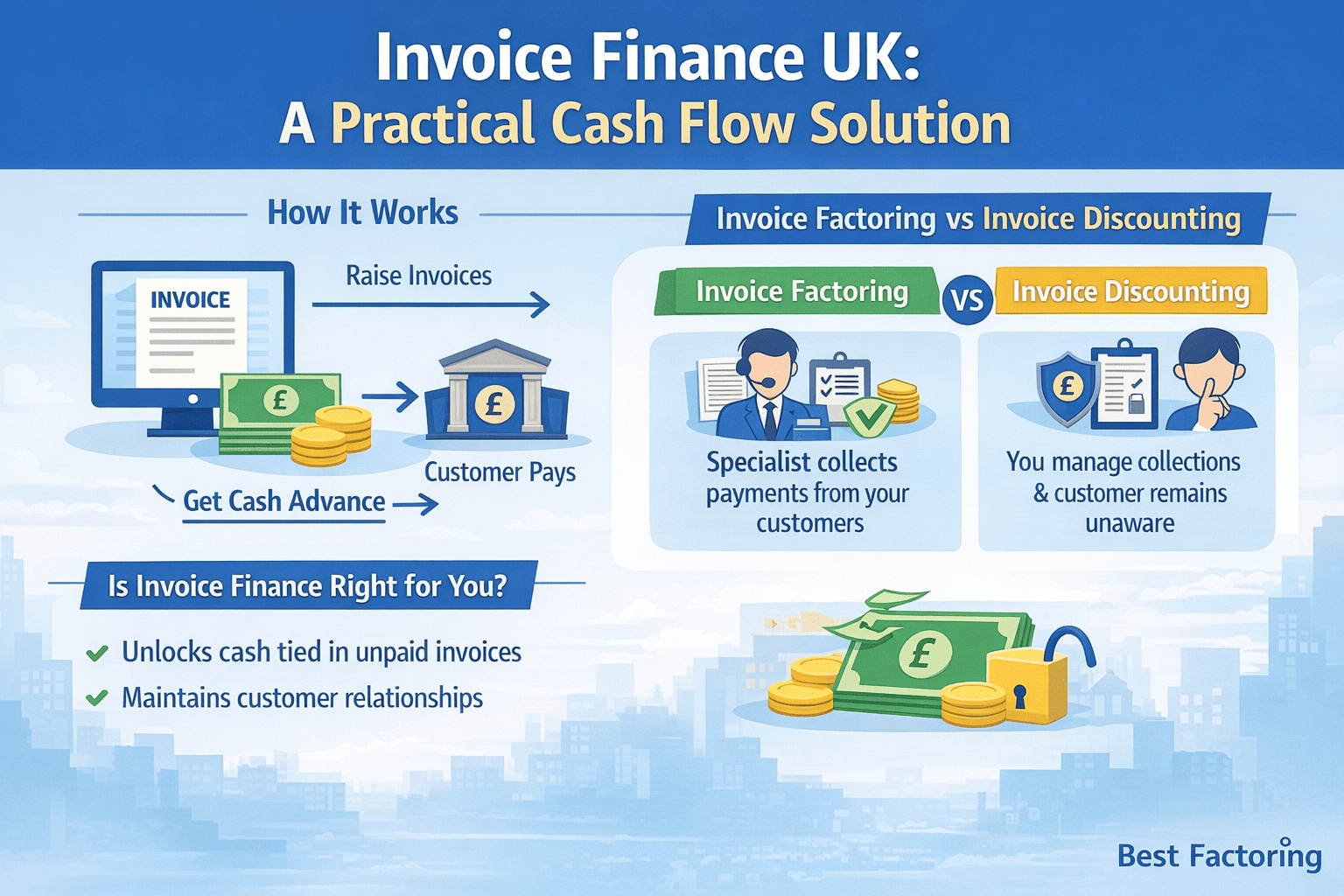
Invoice factoring is a working capital solution where a business sells its outstanding invoices to a third-party financier — known as a factor — at a discount. Instead of waiting 30, 60 or 90 days for customer payments, startups receive a significant portion of the invoice value upfront. The factor then collects payment directly from the customers, releasing the remaining balance after deducting fees.
How Does Invoice Factoring Work for Startups and New Businesses in 2026?
For startups and new businesses in 2026, invoice factoring operates through a streamlined digital process:
Submit Invoices: After delivering products or services, businesses upload unpaid invoices to the factoring provider’s portal.
Due Diligence: The factor reviews the invoices and customer creditworthiness — crucial for startups with limited credit history.
Receive Funds: The business typically receives 70–95% of the invoice amount within 24–72 hours.
Collection: The factor handles collections from the business’s customers.
Final Payment: Once the customer pays, the factor returns the remaining balance, less their service fee.
This model provides fast access to working capital without traditional loans or increased liabilities on the balance sheet. For early companies facing cash flow gaps due to slow receivables, factoring can be a lifesaver.
Invoice Factoring vs Invoice Financing
It’s important to differentiate between Invoice Factoring vs Invoice Financing:
Invoice Factoring: Involves selling invoices to a third party that takes over collections.
Invoice Financing: The business retains control of its sales ledger and is responsible for collecting payments. Funds are advanced against unpaid invoices as a line of credit.
Invoice financing may suit companies that don’t want a third-party involved in customer relationships, whereas factoring is beneficial for startups seeking hands-off receivables management.
Specialized Option: Permanent Recruitment Invoice Factoring
Certain sectors, like recruitment, benefit from niche products such as Permanent Recruitment Invoice Factoring. This variant helps recruitment agencies that often incur long payment cycles from clients. By factoring permanent placement invoices, agencies bridge cash gaps between placement completion and client settlement without leveraging personal or business credit.
Conclusion
Understanding How Does Invoice Factoring Work for Startups and New Businesses in 2026? equips entrepreneurs with a practical financing tool aligned with modern operations. Whether comparing Invoice Factoring vs Invoice Financing or exploring sector-specific solutions like Permanent Recruitment Invoice Factoring, startups can unlock reliable cash flow support with minimal complexity.


Write a comment ...